


Substrates ~ Soil & Substrate for your hobby grow
Growing on Soil, Coco or Hydro substrate?
The substrate is the material in which seeds, flowers and plants are grown. EUGardencenter has a wide range of both organic and artificial substrates like soil, coco or hydro.
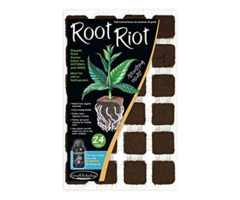
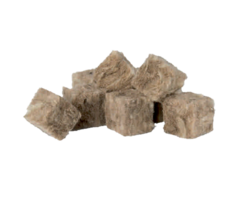
Soil substrate is most commonly used in hobby growing because it already contains the right amount of nutrients to promote the culture. Artificial substrates such as clay pebbles, coco, mapito or rock wool plugs; usually do not contain natural nutrients by themselves but do stimulate good germination. Growing on hydro is also becoming increasingly popular, here the roots dip into fertilizer rich water.
What are the advantages and disadvantages of growing on soil substrate?
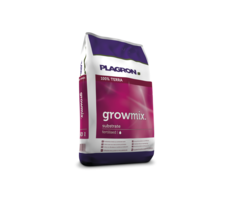
Soil substrate has a good buffer, this means that a surplus or shortage of nutrients does not immediately lead to a ruined crop. Also, soil contains enough nutrients for the first 6 weeks of cultivation and is a cheap option, not only because of the price but also the money you save on plant food. However, soil is the least airy substrate and therefore needs more ventilation and disposing of the substrate after harvesting is seen as a hassle. Another disadvantage is that bad soil can contain insect larvae that attack your plants, so always buy good soil from one of the recognized brands:
- Atami
- BAC
- Bio Nova
- BioBizz
- Jiffy
- Plagron
- Pokon

What are the pros and cons of growing on coco substrate?
Coco is a biological substrate that retains water with nutrition for a long time, this retention ensures a constant moisture flow. Most coir contains enough nutrition for the vegetative period of your plant. However, it is important to add enzymes and amino acids, to create a stable buffer for the plant, and to keep it healthy. A nice extra benefit is that with coir your hands stay much cleaner.
Coco is susceptible to sciarid flies, but you can use the predatory bug to prevent this. Coir sinks less than soil so it stays airier and offers the plant more oxygen but it dries out more quickly. In general you pay the most for coco substrate compared to other growing media.

What are the advantages and disadvantages of growing on hydro substrate?
With hydro, dosing of nutrients is generally difficult, but this can vary from plant to plant. All the nutrition the plant receives you have to give yourself and the buffer is zero, therefore the fertilizer value fluctuates a lot if someone is not experienced with hydro. In addition, there is a high risk of leakage due to the large amount of water involved in hydro cultivation.
Besides being one of the cheapest substrates, hydro generally yields more and is less susceptible to insects and pests. Being in control of the complete nutrient supply in also a big advantage if you as a grower know what you are doing, this avoids a lot of unpredictability. With hydro you basically always grow on a growing system, this makes hydro growing a little more expensive because you have to buy one first.
Do pay attention to your light! The roots and the nutritional water of the plants should receive absolutely no light, this harms the roots and breaks down nutrients in the water which will cause algae growth.

Growing schedule
As a hobby grower you should always take care of the correct plant nutrition and the correct pH & EC level. This varies per substrate, soil has a completely different growing scheme than hydro/coco.
Growing on Soil, Coco or Hydro substrate?
The substrate is the material in which seeds, flowers and plants are grown. EUGardencenter has a wide range of both organic and artificial substrates like soil, coco or hydro.
Soil substrate is most commonly used in hobby growing because it already contains the right amount of nutrients to promote the culture. Artificial substrates such as clay pebbles, coco, mapito or rock wool plugs; usually do not contain natural nutrients by themselves but do stimulate good germination. Growing on hydro is also becoming increasingly popular, here the roots dip into fertilizer rich water.
What are the advantages and disadvantages of growing on soil substrate?
Soil substrate has a good buffer, this means that a surplus or shortage of nutrients does not immediately lead to a ruined crop. Also, soil contains enough nutrients for the first 6 weeks of cultivation and is a cheap option, not only because of the price but also the money you save on plant food. However, soil is the least airy substrate and therefore needs more ventilation and disposing of the substrate after harvesting is seen as a hassle. Another disadvantage is that bad soil can contain insect larvae that attack your plants, so always buy good soil from one of the recognized brands:
- Atami
- BAC
- Bio Nova
- BioBizz
- Jiffy
- Plagron
- Pokon
What are the pros and cons of growing on coco substrate?
Coco is a biological substrate that retains water with nutrition for a long time, this retention ensures a constant moisture flow. Most coir contains enough nutrition for the vegetative period of your plant. However, it is important to add enzymes and amino acids, to create a stable buffer for the plant, and to keep it healthy. A nice extra benefit is that with coir your hands stay much cleaner.
Coco is susceptible to sciarid flies, but you can use the predatory bug to prevent this. Coir sinks less than soil so it stays airier and offers the plant more oxygen but it dries out more quickly. In general you pay the most for coco substrate compared to other growing media.
What are the advantages and disadvantages of growing on hydro substrate?
With hydro, dosing of nutrients is generally difficult, but this can vary from plant to plant. All the nutrition the plant receives you have to give yourself and the buffer is zero, therefore the fertilizer value fluctuates a lot if someone is not experienced with hydro. In addition, there is a high risk of leakage due to the large amount of water involved in hydro cultivation.
Besides being one of the cheapest substrates, hydro generally yields more and is less susceptible to insects and pests. Being in control of the complete nutrient supply in also a big advantage if you as a grower know what you are doing, this avoids a lot of unpredictability. With hydro you basically always grow on a growing system, this makes hydro growing a little more expensive because you have to buy one first.
Do pay attention to your light! The roots and the nutritional water of the plants should receive absolutely no light, this harms the roots and breaks down nutrients in the water which will cause algae growth.
Growing schedule
As a hobby grower you should always take care of the correct plant nutrition and the correct pH & EC level. This varies per substrate, soil has a completely different growing scheme than hydro/coco.
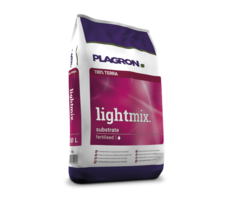
Available in: 50 liters....
Because of the space setup the young crop has all the space it needs to develop.
Available: ...
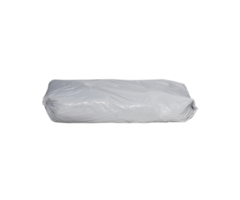
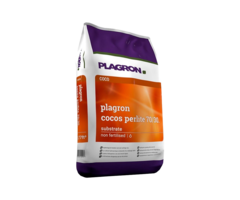
Available in: 50 liters....
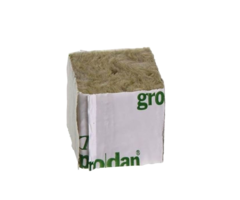
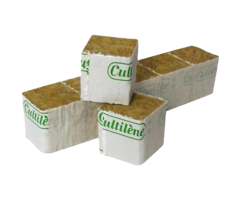
Available in: 40x40x40mm | 75x75...
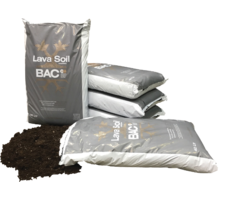
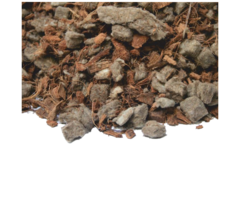
Available in: 2 bags ...
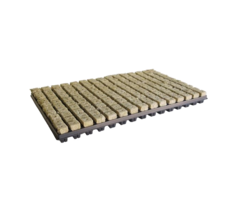
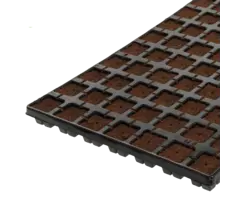
Available: 77 pcs tray | 150 pcs tray...
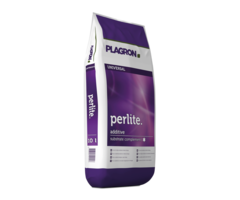
Available in: 1...
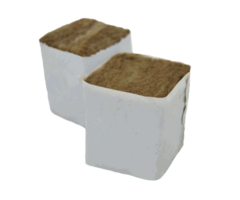
Available in: 50 liters....
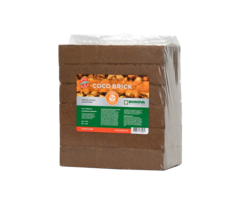
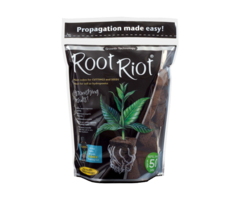

Available in: 3 bags - 240 liters....
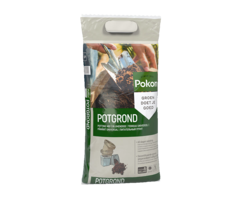
Available in: 5L | 10L | 20L....
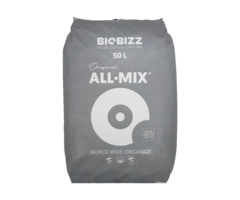
Available...
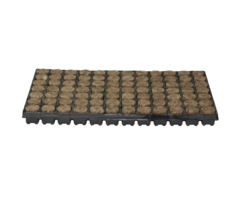
Available:
- 1 Tray - 84pcs
- 1 Tray - 126pc...
Growing on Soil, Coco or Hydro substrate?
The substrate is the material in which seeds, flowers and plants are grown. EUGardencenter has a wide range of both organic and artificial substrates like soil, coco or hydro.
Soil substrate is most commonly used in hobby growing because it already contains the right amount of nutrients to promote the culture. Artificial substrates such as clay pebbles, coco, mapito or rock wool plugs; usually do not contain natural nutrients by themselves but do stimulate good germination. Growing on hydro is also becoming increasingly popular, here the roots dip into fertilizer rich water.
What are the advantages and disadvantages of growing on soil substrate?
Soil substrate has a good buffer, this means that a surplus or shortage of nutrients does not immediately lead to a ruined crop. Also, soil contains enough nutrients for the first 6 weeks of cultivation and is a cheap option, not only because of the price but also the money you save on plant food. However, soil is the least airy substrate and therefore needs more ventilation and disposing of the substrate after harvesting is seen as a hassle. Another disadvantage is that bad soil can contain insect larvae that attack your plants, so always buy good soil from one of the recognized brands:
- Atami
- BAC
- Bio Nova
- BioBizz
- Jiffy
- Plagron
- Pokon
What are the pros and cons of growing on coco substrate?
Coco is a biological substrate that retains water with nutrition for a long time, this retention ensures a constant moisture flow. Most coir contains enough nutrition for the vegetative period of your plant. However, it is important to add enzymes and amino acids, to create a stable buffer for the plant, and to keep it healthy. A nice extra benefit is that with coir your hands stay much cleaner.
Coco is susceptible to sciarid flies, but you can use the predatory bug to prevent this. Coir sinks less than soil so it stays airier and offers the plant more oxygen but it dries out more quickly. In general you pay the most for coco substrate compared to other growing media.
What are the advantages and disadvantages of growing on hydro substrate?
With hydro, dosing of nutrients is generally difficult, but this can vary from plant to plant. All the nutrition the plant receives you have to give yourself and the buffer is zero, therefore the fertilizer value fluctuates a lot if someone is not experienced with hydro. In addition, there is a high risk of leakage due to the large amount of water involved in hydro cultivation.
Besides being one of the cheapest substrates, hydro generally yields more and is less susceptible to insects and pests. Being in control of the complete nutrient supply in also a big advantage if you as a grower know what you are doing, this avoids a lot of unpredictability. With hydro you basically always grow on a growing system, this makes hydro growing a little more expensive because you have to buy one first.
Do pay attention to your light! The roots and the nutritional water of the plants should receive absolutely no light, this harms the roots and breaks down nutrients in the water which will cause algae growth.
Growing schedule
As a hobby grower you should always take care of the correct plant nutrition and the correct pH & EC level. This varies per substrate, soil has a completely different growing scheme than hydro/coco.